Vendor Management in Healthcare: Why Security Vetting Matters
Learn why security vetting in healthcare vendor management is critical to protect patient data, ensure compliance, and reduce operational risks.
iCoreConnect

Introduction
Let’s be honest: running a healthcare practice today isn’t just about treating patients anymore.
Behind the scenes, there’s a whole ecosystem of vendors helping things run smoothly—billing companies, IT teams, software providers, and more. They make life easier… until something goes wrong.
That’s why vendor management in healthcare isn’t just a checklist item; it’s a critical part of protecting your practice.
And at the heart of it? Security vetting.
Because one careless vendor can put your entire patient database, and your reputation, at risk.
Why This Matters More Than Ever
Think about how many people (outside your practice) touch your data daily.
If you’re using professional dental billing services, your vendor likely has access to:
Patient records
Insurance details
Payment information
Now imagine if their system gets compromised.
It’s not just their problem: it becomes yours.
The Hidden Risk in “Trusted” Vendors
Here’s where most practices go wrong:
“We trust them, so they must be secure.”
Unfortunately, trust doesn’t equal security.
Even experienced vendors can:
Use outdated systems
Skip regular security updates
Have weak access controls
And cybercriminals know this. Vendors are often the easiest entry point into healthcare systems.
What is Security Vetting (In Simple Terms)?
Security vetting is basically asking:
👉 “If we give this vendor access to our patient data, can they truly protect it?”
It involves checking:
Their security systems
Compliance with regulations
Past incidents or breaches
How they handle sensitive data
It’s not about being suspicious, it’s about being responsible.
Real Talk: What Happens Without Proper Vetting
Let’s say a dental practice outsources billing.
Everything works great… until one day:
Claims stop processing
Patients report fraud
Data breach notification emails go out
Now the practice is dealing with:
Legal trouble
Lost patient trust
Revenue disruption
All because a vendor wasn’t properly vetted.
Compliance Isn’t Optional
If you think compliance is just paperwork, think again.
According to the
👉 https://www.hhs.gov/hipaa/for-professionals/security/index.html
Healthcare providers are responsible for ensuring that any vendor handling PHI is compliant.
That includes:
Signing proper agreements
Maintaining security standards
Being audit-ready
Even if the mistake is on the vendor’s side—you’re still accountable.
How Smart Practices Handle Vendor Management
Successful practices don’t just hire vendors: they evaluate them continuously.
Here’s what they do differently:
✔ They Ask the Right Questions
How is patient data stored?
Is it encrypted?
Who has access?
✔ They Limit Access
Not every vendor needs full data access.
Smart practices follow:
👉 “Give only what’s necessary, nothing more.”
✔ They Monitor, Not Just Approve
Vendor onboarding is not the end, it’s the beginning.
They:
Conduct regular audits
Track system activity
Stay updated on risks
✔ They Use Experts Where Needed
For example, working with a reliable partner to optimize your revenue cycle can improve efficiency, but only if that partner meets strict security standards.
Where Technology Helps
Managing vendors manually can get overwhelming.
That’s where modern tools come in:
Automated risk assessments
Real-time compliance tracking
Centralized vendor records
Frameworks like
👉 https://www.nist.gov/cyberframework
help practices build a structured approach to security.
Common Mistakes (That Cost Big Later)
Let’s keep this practical, avoid these:
❌ Skipping vendor background checks
❌ Assuming compliance without proof
❌ Ignoring small vendors
❌ No written security expectations
❌ No follow-up after onboarding
Bringing It Back to Your Practice
If you’re outsourcing tasks like billing or credentialing, ask yourself:
👉 Do I actually know how secure my vendor is?
If the answer is “not really,” that’s your sign.
Because in healthcare, security isn’t just IT’s job—it’s a business decision.
Conclusion
At the end of the day, vendors are there to support your growth, not create risk.
But that only happens when vendor management in healthcare is taken seriously.
Security vetting isn’t extra work, it’s protection.
Protection for your patients
Protection for your revenue
Protection for your reputation
Let’s Make It Simple
If you’re unsure where to start or want a secure, reliable partner for your practice:
We help healthcare providers scale operations, without compromising on security.
Final Thought
You don’t need to fear vendors.
You just need to choose and manage them wisely.
Other articles

Dental Claims & RCM
Learn how to process dental insurance claims faster, reduce denials, and get paid consistently with this step-by-step guide from iCore.

Dental Claims & RCM
Learn what features matter most in dental medical billing software and how iCore helps dental practices reduce denials and recover more revenue.
Dental Claims & RCM
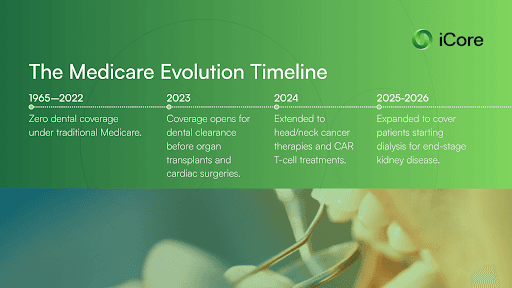
Dental and medical coverage aren't the same — but the line is blurring. Learn when dental becomes medical, how cross-billing works, and how iCore helps practices capture every reimbursement they're owed.

Dental Claims & RCM
Learn how dental billing management systems improve internal workflows, reduce claim delays, and increase practice efficiency. Discover how iCore helps practices streamline operations.
Dental Claims & RCM
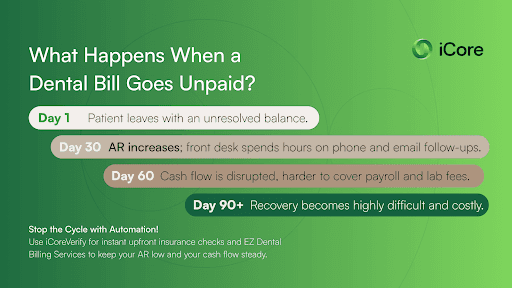
Learn when dental practices should hire billing experts and how iCore helps reduce claim denials, improve cash flow, and streamline revenue cycle management.

Dental Claims & RCM
Learn the most important dental billing laws every practice should understand. Discover compliance tips, real examples, and how iCore helps reduce claim denials and billing risks.