What Happens If a Patient Doesn’t Pay a Dental Bill?
Learn what happens when patients don’t pay dental bills, legal risks, and proven strategies to reduce unpaid balances and protect your practice revenue.
iCoreConnect

Running a successful dental practice isn’t just about delivering excellent care—it’s also about ensuring you get paid for it. But what happens when a patient doesn’t pay dental bill balances?
Unpaid accounts can quietly damage your revenue, increase administrative burden, and disrupt cash flow. In this guide, we’ll break down what really happens when dental bills go unpaid and how you can protect your practice.
The Real Impact of Unpaid Dental Bills
When a patient doesn’t pay dental bill, it’s not just a minor inconvenience—it can create long-term financial strain.
1. Cash Flow Disruption
Dental practices rely on steady cash flow to cover:
Staff salaries
Equipment costs
Supplies and lab fees
Even a small percentage of unpaid dental bills can significantly affect operations.
2. Increased Accounts Receivable (AR)
Outstanding balances increase your dental accounts receivable, making it harder to track collections and recover revenue.
3. Administrative Burden
Your team spends more time:
Following up with patients
Managing overdue accounts
Handling billing disputes
This reduces efficiency and productivity.
Why Patients Don’t Pay Dental Bills
Understanding the “why” helps prevent the problem.
Common reasons include:
Lack of insurance coverage
Unexpected treatment costs
Poor communication about fees
Financial hardship
Confusion about billing or claims
Many times, it’s not refusal—it’s misunderstanding.
What Happens Next? The Collection Process
If a patient doesn’t pay dental bill, practices typically follow a structured process:
Step 1: Payment Reminders
Phone calls
Emails or SMS reminders
Friendly follow-ups
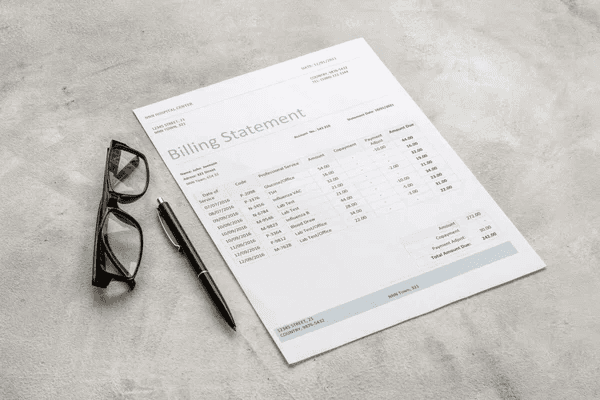
Step 2: Billing Statements
Clear, itemized statements are sent to patients to remind them of dues.
Step 3: Late Fees or Payment Plans
Practices may:
Add late fees
Offer installment plans
Step 4: Internal Collections
Your team actively follows up on dental billing collections.
Step 5: External Collection Agencies
If the balance remains unpaid, accounts may be sent to a collection agency.
Legal Considerations
When a patient doesn’t pay dental bill, legal action is possible—but it should be a last resort.
Options Include:
Sending accounts to collections
Reporting to credit bureaus (where applicable)
Filing small claims cases
⚠️ However, aggressive collection can:
Damage your reputation
Affect patient relationships
Always ensure compliance with local regulations and patient rights.
How to Prevent Unpaid Dental Bills
Prevention is always better than recovery.
1. Verify Insurance in Advance
Ensure coverage is confirmed before treatment begins.
2. Transparent Cost Communication
Clearly explain:
Treatment costs
Out-of-pocket expenses
Payment expectations
3. Collect Upfront Payments
Whenever possible:
Collect co-pays
Take partial payments before procedures
4. Offer Flexible Payment Options
EMI plans
Digital payments
Financing solutions
5. Automate Billing Systems
Automation reduces errors and improves follow-ups.
Best Practices for Dental Billing Collections
To manage dental billing collections effectively:
Set clear payment policies
Train front-desk staff on communication
Use automated reminders
Track aging reports regularly
Follow up consistently but professionally
Real-Life Scenario
Imagine this:
A patient undergoes a ₹25,000 procedure but assumes insurance will cover everything. Later, they receive a bill for ₹10,000.
Without prior communication:
The patient delays payment
Your team follows up multiple times
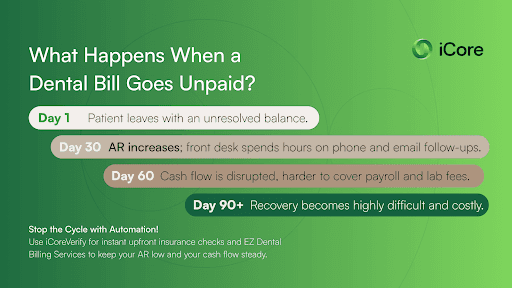
The account ages beyond 90 days
Now, recovery becomes difficult—and costly.
This is how a simple gap turns into a major revenue issue.
How Outsourcing Can Help
Many practices struggle to manage collections internally.
Outsourcing dental billing can:
Reduce AR days
Improve collection rates
Ensure consistent follow-ups
Free up your team’s time
Professional billing teams specialize in handling situations where a patient doesn’t pay dental bill, ensuring faster and more efficient recovery.
Final Thoughts
When a patient doesn’t pay dental bill, it impacts far more than just one transaction—it affects your entire revenue cycle.
By combining clear communication, proactive billing strategies, and efficient collection processes, you can minimize unpaid balances and maintain a healthy cash flow.
Struggling with unpaid dental bills or increasing AR?
Our expert dental billing team can help you streamline collections, reduce denials, and improve revenue—without adding stress to your staff.
👉 Contact us today for a free consultation and take control of your dental practice revenue.
Other articles

Dental Claims & RCM
Learn how to process dental insurance claims faster, reduce denials, and get paid consistently with this step-by-step guide from iCore.

Dental Claims & RCM
Learn what features matter most in dental medical billing software and how iCore helps dental practices reduce denials and recover more revenue.
Dental Claims & RCM
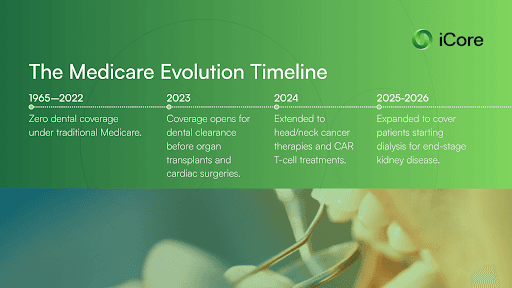
Dental and medical coverage aren't the same — but the line is blurring. Learn when dental becomes medical, how cross-billing works, and how iCore helps practices capture every reimbursement they're owed.

Dental Claims & RCM
Learn how dental billing management systems improve internal workflows, reduce claim delays, and increase practice efficiency. Discover how iCore helps practices streamline operations.
Dental Claims & RCM
Learn when dental practices should hire billing experts and how iCore helps reduce claim denials, improve cash flow, and streamline revenue cycle management.

Dental Claims & RCM
Learn the most important dental billing laws every practice should understand. Discover compliance tips, real examples, and how iCore helps reduce claim denials and billing risks.